
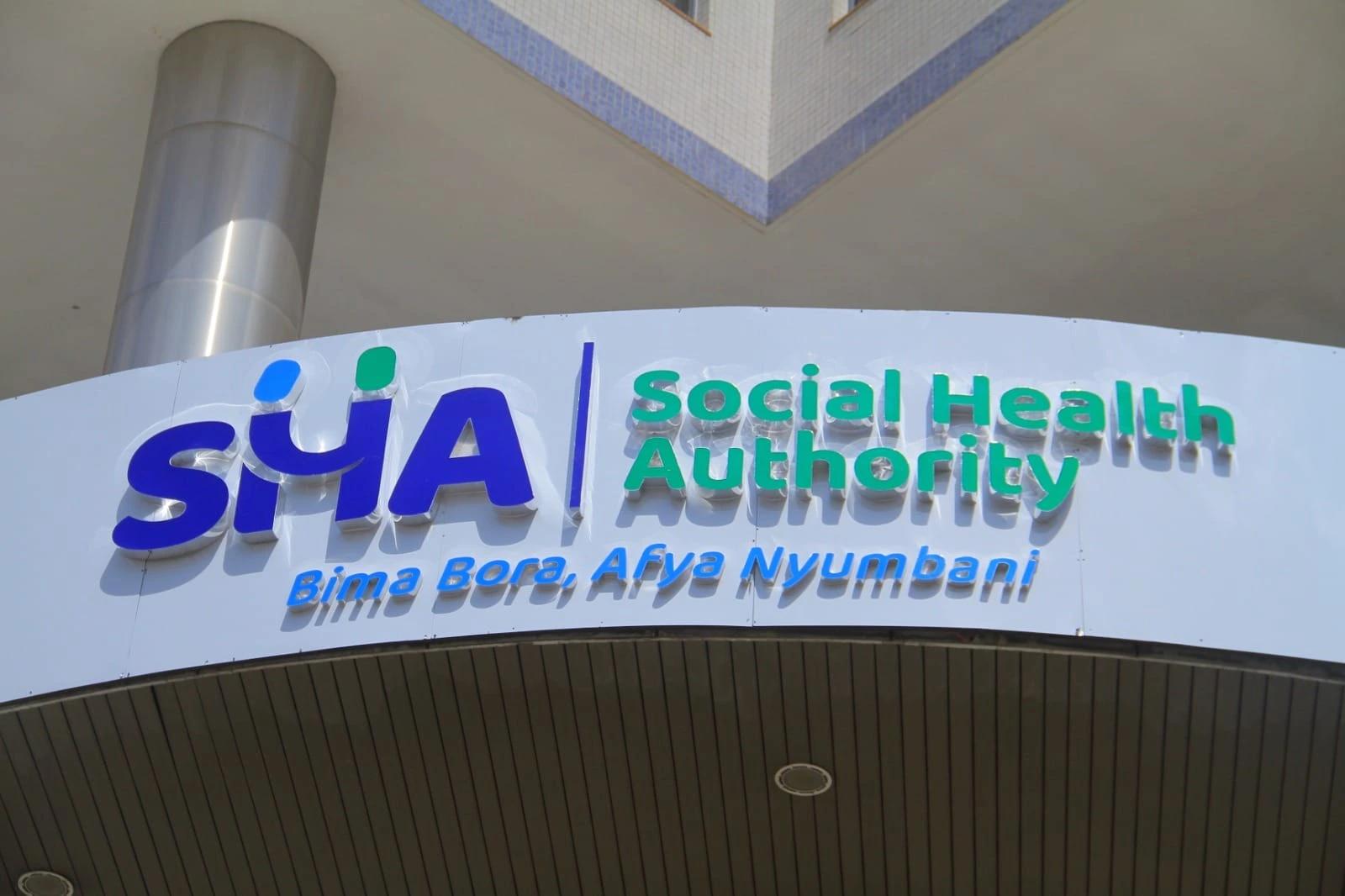
The Kenyan government has just rolled out a nationwide biometric registration program for dependents of Social Health Authority (SHA) members – a big step towards bringing the country closer to a fully integrated national health ID scheme.
Program Objectives and Scope
According to the health authorities, this new initiative is all about eliminating duplicate registrations and making it easier to access medical histories right across Kenya’s public health system. The biometric registration program is specifically focused on kids aged 7 to 17; that’s because there are legal and scientific reasons why the age limit is set there.
” Why 7 to 17?” asks Eng. Antony Lenaiyara, the Chief Executive Officer of the Digital Health Agency. ” Well, number one, because of the law we have to work within: it only lets us take biometric details for that age group. Lenaiyara also pointed out that expert opinion backs that age constraint, because “the biometrics just haven’t fully developed yet, so they’re not very reliable for kids younger than 7”.
Infrastructure Deployment
We hear that the government has invested heavily in the biometric ID system – distributing 8,067 scanners to public health facilities across the country. This suggests that the Kenyan government is serious about making this system work, right from the ground up.
Data Privacy and International Partnerships
Just a few days after announcing plans to sell off citizens’ data, the new biometric ID system has kicked off – and has raised all sorts of red flags for civil society organisations & ordinary citizens.
The system also follows on from a five-year partnership with the USA worth $2.5 billion. That deal requires Kenya to share disease surveillance data with the States in exchange for health development help and technical support.
POMF Tariffs get a makeover & SHA Improvements
As part of the launch, the Ministry of Health has agreed to change the way they charge for POMF (Public Officers Medical Fund) services, in the hope of easing the financial burden on public sector workers and their dependants.
” Through the new agreements, healthcare facilities will be able to provide treatment under a framework that promotes quality, accountability and easy access to treatment for public officers and their dependants,” SHA said in a formal statement.
Healthcare Facility Accountability
Health CS Aden Duale was on hand at the launch and he made it very clear that he expects public hospitals contracted to SHA to be on top of their game when it comes to dispensing the right medication to patients.
He issued a stern warning to facilities that fail to comply – saying that they’d face penalties of up to 38% of their claim if they got it wrong. It’s pretty clear that the government is dead serious about ensuring that public healthcare facilities deliver the goods.