
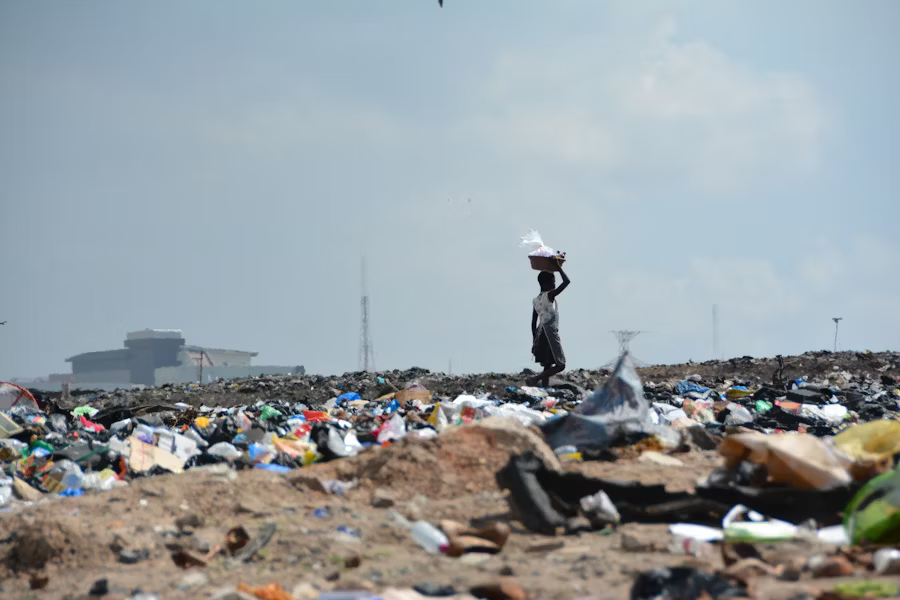
Urbanization is increasing in Africa at an alarming rate. Cities such as Nairobi, Lagos, and Johannesburg are becoming larger than they have ever been before. This increase in the number of residents in each of the cities brings with it a range of negative impacts, including increased air pollution due to large amounts of pollutants being released from vehicles, construction, and industrial processes. Additionally, the increase in the number of residents results in increased levels of waste being generated, which creates problems for both the municipalities and the residents of each city. However, there are also a number of positive aspects associated with the growing size of cities in Africa. X
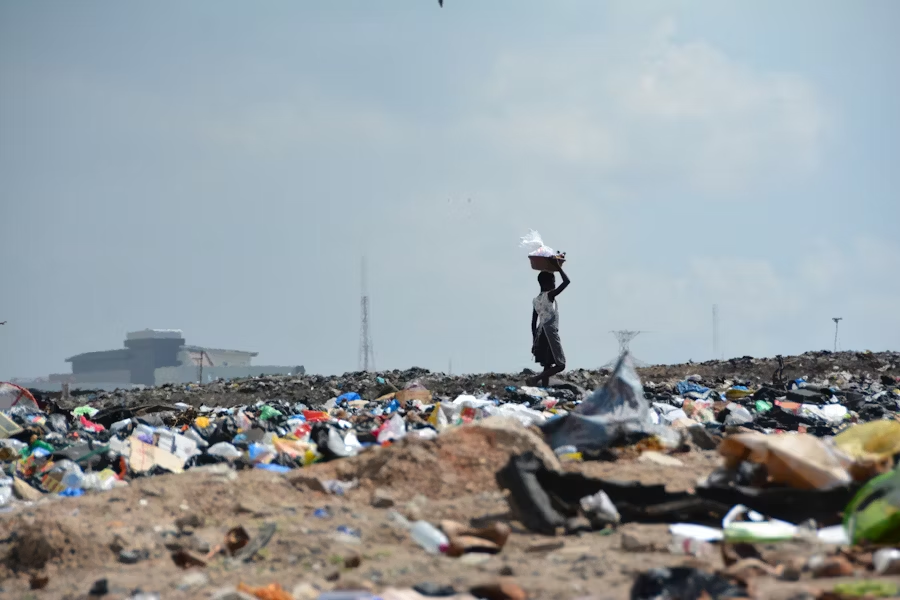
The Waste Problem in African Megacities
Waste management systems in many of the largest cities in Africa are unable to keep up with the rapid population growth experienced in each of the cities, nor with the changing consumption habits of the residents of each city. Many of the municipalities in African cities continue to use traditional methods of waste collection, such as the use of manual labor, outdated trucks, and non-optimized routes. As a result of these outdated methods of waste collection, landfills are overflowing, and waste is often dumped illegally in uncontrolled environments. In addition to creating unsightly environments, waste that is not disposed of properly poses serious threats to the health of both humans and animals.
How “Smart” Waste Management Works
Smart waste management is far more than just adding a few sensors to waste bins. Smart waste management includes a variety of components, including:
- IoT sensors that measure fill levels in waste bins and send signals to waste management companies when the waste bins reach capacity.
- Optimized routes for waste management companies to follow to minimize the amount of fuel wasted and to avoid collecting waste from empty bins.
- Dashboards that allow municipal officials to track waste management issues in real-time, such as overflowing waste bins, illegal dumping, and difficulties accessing waste bins.
- Apps and online portals that allow citizens to report waste management issues to the municipality, and to track the status of waste management issues that have been reported to the municipality.
- Predictive analysis tools that allow waste management companies to predict when waste bins are likely to reach capacity, and to plan accordingly.
- Software systems specifically designed for residential waste collection in urban areas, known as Residential Waste Hauler Software, provide better scheduling, greater transparency, and improved efficiency.
All of the above elements come together to form a more efficient and sustainable waste management system.
Why There Is a Real Opportunity for Innovation in Africa
While it is commonly assumed that smart waste management systems are available only in wealthy cities, the reality is that many African cities have a unique combination of factors that make them well-positioned to adopt innovative waste management systems. First, many of the legacy waste management infrastructure systems in African cities are already at a breaking point. Therefore, there is little inertia in adopting new systems. Second, smart waste management systems support circular economy principles, which are particularly relevant in African cities with limited land space and vulnerable ecosystems. Third, the environmental benefits of implementing smart waste management systems are significant, and include reduced greenhouse gas emissions, reduced pollution, reduced number of open dump sites, and reduced risk of disease.
Examples of Existing Successes
There are already a number of successful examples of smart waste management systems in Africa. One example is the deployment of Africa’s first pneumatic waste collection system in Kenya, in the flagship Konza Technopolis. The pneumatic system allows for the automated collection of waste, eliminating the need for some of the traditional waste collection trucks and manual collections. Another example is the research conducted on how the African Waste Reclaimers Organization (ARO) is being integrated into smart city initiatives in South Africa. The research demonstrated that integrating informal waste-pickers into smart city systems can lead to better outcomes for both the waste-pickers and the municipalities. These examples demonstrate two things: first, the technology to implement smart waste management systems is currently available; second, the success of smart waste management systems depends on adapting the technology to fit the unique characteristics of each local context.
Steps Required to Scale the Impact of Smart Waste Management Systems Across Africa
To scale the impact of smart waste management systems across Africa, several steps must be taken, including:
1. Data and Measurement
Municipalities must have reliable data regarding the quantity of waste generated, the sources of the waste, and the effectiveness of current waste management practices. Without this data, municipalities will be unable to optimize their waste management practices. Research has emphasized the importance of using sensors, monitoring devices, and analytics to collect data related to waste management.
2. Collaboration and Inclusive Models
For many municipalities, the informal sector is responsible for a significant portion of the waste recovery and collection activities. If smart waste management systems do not take into account the needs of the informal sector, then the implementation of smart systems may fail. Research has shown that developing inclusive strategies, such as the ARO model, is essential to the long-term success of smart waste management systems.
3. Investment, Policy, and Governance
Implementation of smart waste management systems will require investment in new technologies, changes to existing regulations and policies, and institutional reforms. Studies have shown that addressing the “infrastructure limitations, high costs, and stakeholder engagement” required to implement smart waste management systems is essential.
4. Citizen Engagement and Behavior Change
While smart waste management systems may improve the efficiency of waste collection and processing, they will only be effective if the residents of the municipalities in which they are implemented contribute to maintaining clean, waste-free environments. Education, engagement, and convenient services are all necessary to encourage residents to participate in maintaining clean environments.
5. Sustainability and Circularity Built Into the System
The ultimate goal of smart waste management systems should be to divert waste from landfills, recover materials from waste, and turn waste into value. Reducing the amount of materials that go to landfills will reduce greenhouse gas emissions, decrease pollution, and generate employment opportunities in recycling, remanufacturing, and reuse.

What Does This Mean for Those Working in Sustainability and Environmental Technology?
If you are working in sustainability, urban planning, waste recovery, or environmental technology, the following are some key points to consider:
- View waste systems as data systems. Collecting and using data to inform decision-making is equally important as purchasing trucks and bins.
- Partner with others: municipalities, private technology firms, and informal sector organizations, among others, must all be included in efforts to develop and implement smart waste management systems.
- Be flexible and adapt to local circumstances: African cities are not smaller versions of European cities, and conditions vary significantly between countries and even within cities. Therefore, flexibility and customization to meet local conditions are essential.
In conclusion, smart waste systems hold the promise to facilitate greener African cities — with the right vision, technologies, and collaborations. The building blocks are coming into place. Now is the time to act.