
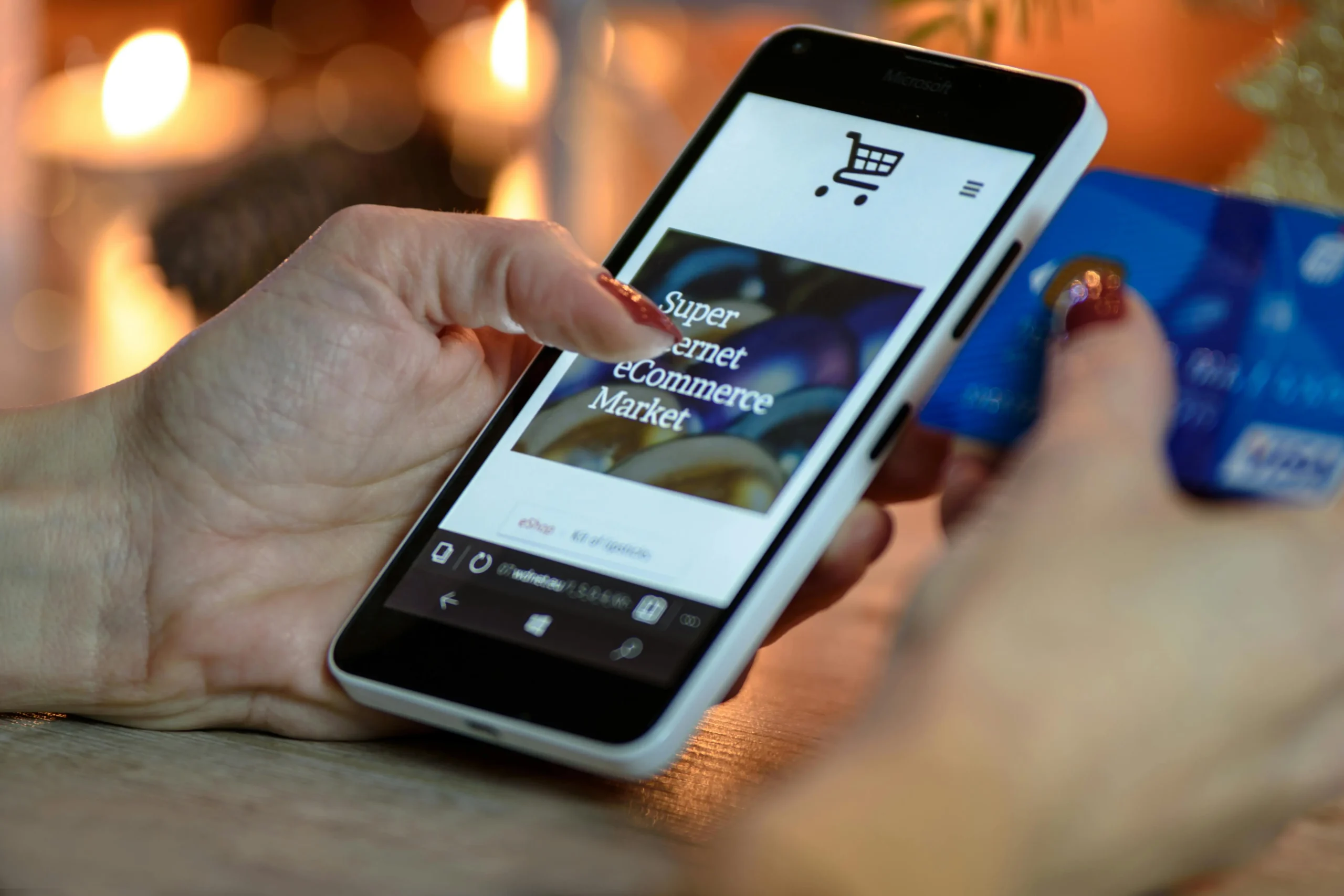
Online shopping makes it easy to fill a basket, close the laptop and forget about it. That last step (the actual purchase) is where sales often vanish. Cart abandonment is a leak that costs businesses more than most people realise. It’s not usually about one big mistake. It’s a mix of small frictions that push shoppers away before they pay.
Good Design
A messy checkout is one of the fastest ways to lose a customer. If the path to the payment button feels like a puzzle then it goes without saying that people will just give up. Pages that take forever to load, forms with endless fields or a mandatory account signup all add up to the same result: more than likely an empty cart. Walk through the process yourself on a phone, tablet and desktop. Notice every bump. Does the next button hide below the fold? Does a popup cover the price? Even a slightly awkward step can be enough for someone to bail, especially on a slow mobile connection.
Ways to Pay
Choice matters when it comes to payments. If you only take one or two payment types, you’re forcing people to think twice. Add the common credit cards and quick mobile options like Apple Pay or PayPal so the checkout feels instant and if your product suits it, instalment services such as Klarna can help too. Some shoppers even prefer a simple bank transfer or a buy now pay later option if it’s clearly explained, so think about your audience and where they’re most comfortable. If you also sell in person, make sure the same flexibility carries over by using reliable payment equipment available here so customers get a consistent experience no matter how they buy. The point isn’t to overload the page with logos but to let shoppers pick what feels safest and fastest.Just as important as choice is clarity about how each option works. If a payment method carries extra fees or a delay in processing, make that obvious so no one feels misled. Hidden charges at the end will kill trust. A shopper might accept a higher price if it’s clear from the start, but a shipping fee that appears only at the final screen feels like a trick. Show delivery costs, taxes and return rules early, ideally on the product page itself. Even a rough estimate is better than nothing. Consider adding a small calculator or a “shipping from” line next to the price so customers can gauge the final total before they even add an item to the cart. Clear numbers keep people moving instead of closing the tab in frustration.
Build Confidence While They Decide
A clean design and clear prices help, but buyers still hesitate if they’re not sure their details are safe. Add visible security badges, SSL certificates and a short privacy note. Display contact details and a return policy where people can see them without digging. Customer reviews near the checkout give a final nudge too. They show that others bought successfully and were happy enough to say so.
Win Them Back After They Leave
Not every abandoned cart is gone forever, sometimes life interrupts a purchase. A gentle followup email a few hours later, with a photo of the forgotten item and a direct link back to the basket, often works. If there’s no response, a second message with free shipping or a small discount can help. Retargeting ads on social media keep the product visible without being pushy. The trick is to remind, not nag.
Keep Testing
Customer habits change and technology keeps moving, so a checkout that works today might not work next year. Use analytics to spot where dropoffs happen. Test different button colours, headlines or the order of steps. Sometimes moving a coupon box or shortening a form has more impact than a full redesign.
Make It Feel Effortless
Fast pages, clear prices, plenty of payment options and steady reassurance are all the types of things that make buying feel easy. Combine that with smart followups and you’ll recover sales that used to slip away, and create a shopping experience people actually enjoy finishing.